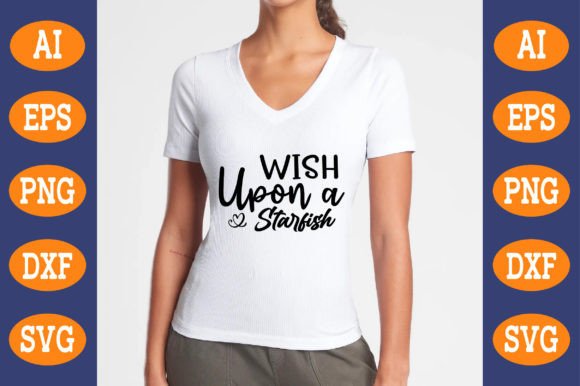
Wish Upon a Starfish: Graphics for T-Shirt Designs
In the fast-paced world of digital publishing, the visual hook is everything. As a blog designer who has spent years curating assets for high-traffic editorial sites, I approach every new graphic design asset with a critical eye. It is not just about whether an image looks pretty; it is about whether it converts readers, builds trust, and fits seamlessly into a complex content ecosystem. Today, I am reviewing Wish Upon a Starfish, a charming coastal-themed illustration that initially caught my attention for its potential in lifestyle and travel niches. While the product metadata categorizes it under T-Shirt Designs, my focus is on how this versatile piece can elevate blog graphics, newsletter headers, and social media campaigns for serious content creators.
First Impressions and Editorial Mood
Upon opening the files, the immediate impression is one of relaxed elegance. The design exudes a playful yet sophisticated vibe, perfectly suited for summer lifestyle content, beach destination guides, or nautical-themed educational resources. It strikes a balance between artistic flair and commercial viability. For a publisher, this mood is crucial; it signals to the reader that the content is approachable but professional. Unlike generic clip art that can cheapen a brand, Wish Upon a Starfish feels like custom creative design. It supports a visual identity that is modern, clean, and distinctly feminine without being overly frilly. This makes it an excellent candidate for bloggers in the wedding, travel, or home decor sectors who need to maintain a polished aesthetic while injecting some seasonal personality.
Integrating Assets into Real Publishing Workflows
The true test of any digital asset is its adaptability across different platforms. While the original description highlights that cut files for Cricut and Silhouette are included—making it a powerhouse for physical merchandise like apparel and vinyl decals—my review focuses on its digital utility. The package typically includes vector formats like AI and SVG, which are gold standards for web scalability. Here is how I would deploy this asset in a real-world publishing scenario:
- Pinterest Pins: The vertical composition possibilities are endless. Placing this graphic against a soft sand or ocean blue background creates a high-click-through pin for summer bucket lists or coastal living articles.
- Newsletter Banners: Use the SVG version as a header accent in weekly digests to break up text and add visual interest to email marketing campaigns.
- Digital Guides and eBooks: Incorporate the illustration into cover designs for downloadable lead magnets, such as "The Ultimate Beach Vacation Planner" or "Coastal Home Styling Guide."
- Social Media Graphics: Adapt the element for Instagram stories or Facebook ads promoting affiliate products related to summer fashion or travel gear.
- Website Headers: Scale the vector for a hero image on a landing page, ensuring it remains crisp on retina displays.
Boosting Content Performance and Visual Hierarchy
In content marketing, visual hierarchy dictates how a user consumes information. A strong graphic like Wish Upon a Starfish acts as an anchor, drawing the eye immediately to the key message. By using this asset in featured images, you create a stronger first impression that can significantly reduce bounce rates. Consistency is key to brand identity; if you use this style across your category thumbnails and media kits, you build instant recognition. Readers begin to associate this specific aesthetic with your quality of content. Furthermore, professional-looking visuals foster reader trust. When a site looks curated and designed with care, visitors are more likely to engage with affiliate links or purchase digital products.
Strategic Placement and Usage Constraints
Not every image works everywhere. Wish Upon a Starfish shines brightest in hero images, article thumbnails, and as an editorial accent in white space. It is particularly effective in Canva templates designed for coaches or influencers who want to add a touch of whimsy to their worksheets. However, caution is required. Avoid using it on small mobile thumbnails where intricate details might get lost. It may not be suitable for text-heavy blog images where contrast could be compromised, nor does it fit well on low-contrast backgrounds that make the lines disappear. Additionally, for very serious professional niches like corporate finance or legal advice, this playful motif might undermine the gravity of the content. Always ensure the tone matches the subject matter.
Practical Notes for Publishers and Designers
Before integrating any digital download into a monetized site, rigorous testing is essential. Here is my checklist for deploying this asset effectively:
- Cross-Device Testing: Preview the graphic on both desktop and mobile screens to ensure the lines remain clear and the composition holds up.
- Typography Pairing: Experiment with placing the graphic beside serif fonts for a classic look, sans serif for modernity, or script fonts to enhance the playful nature. Avoid clashing handwritten fonts that compete for attention.
- Contrast Checks: Test the image in black and white to verify that the visual hierarchy remains intact even without color.
- Web Performance: If converting the vector to PNG or JPG for web use, compress the file size properly to avoid slowing down page load times, which hurts SEO.
- Licensing Verification: Although this asset comes with files suitable for various programs, always confirm the commercial license terms before using it on affiliate pages, in paid courses, or on merchandise you intend to sell.
Final Verdict for Creative Entrepreneurs
Wish Upon a Starfish is more than just a cut file for crafting enthusiasts; it is a flexible tool for the modern digital publisher. Whether you are building a small business branding package, designing a printable design for your Etsy shop, or creating engaging social media graphics for your blog, this asset delivers high editorial quality. Its ability to transition from a digital guide cover to a website banner makes it a valuable addition to any creative library. By understanding its strengths in visual communication and respecting its limitations, you can leverage this graphic to create content that is not only beautiful but also strategically effective in driving engagement and growth.