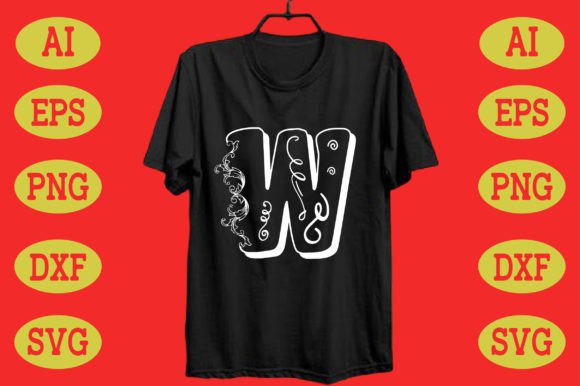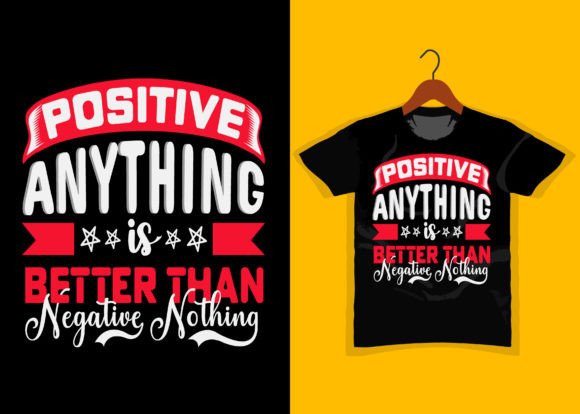
Vintage T-Shirt Design: A Pro's Take on Real Embroidery Use
When I first pulled up the Vintage T-Shirt Design on my screen, I didn't just see a graphic; I saw a potential product line. As someone who spends hours digitizing, stitching, and troubleshooting for clients, my immediate reaction wasn't about how pretty it looked on a monitor, but how it would translate into thread. There is a distinct difference between a print-ready image and a viable machine embroidery design. This specific asset, marketed broadly for everything from mugs to hoodies, caught my eye because of its classic aesthetic, but the real question is whether it holds up under the needle.
The First Stitch Test: Mood and Layout
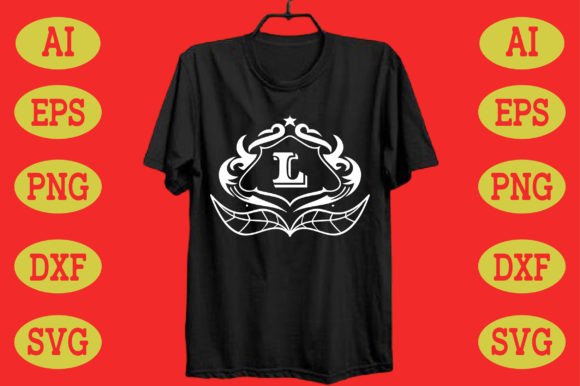
The visual personality of this Vintage T-Shirt Design leans heavily into nostalgia. It has that worn-in, retro feel that is currently dominating boutique markets. For an embroiderer, the layout suggests a balance between open space and detailed focal points. When evaluating any Graphics file for conversion or direct use, I look at the flow of the shapes. Does the design rely on tiny, isolated details that might get lost in stitching? In this case, the core elements appear robust enough to handle standard fill stitch and satin stitch techniques without becoming a bird's nest of thread breaks.
The mood it creates is warm and inviting, perfect for brands looking to establish trust through familiarity. If you are an Etsy seller or a small shop owner, this kind of visual language speaks directly to customers seeking authenticity. However, before committing to a production run, one must consider how these shapes interact with fabric texture. A design that looks crisp on a white background might behave differently on a textured linen or a fuzzy fleece.
Real-World Application: The Sweatshirt Scenario
Let's walk through a realistic scenario. Imagine a client approaches you for a batch of custom sweatshirt embroidery for a local coffee shop. They want something that feels established yet modern. You decide to use the Vintage T-Shirt Design as the central chest logo. Here is where practical judgment comes in. Sweatshirts often have a loopback interior and a slightly heavier face fabric.
If you were to stitch this directly onto the garment without testing, you risk puckering, especially if the design has dense areas. My advice? Treat this as a test case for your stabilizer selection. For a project like this, a cut-away stabilizer is likely non-negotiable to maintain the shape of the vintage curves over time. The design's suitability for custom apparel shines here because its scale seems adaptable. It isn't so massive that it overwhelms a adult medium, nor so tiny that it disappears on a large hoodie.
Beyond apparel, think about the versatility mentioned in the product description. Could this work as an embroidered patch? Absolutely. Hooping a piece of twill, stitching the design, and then cutting it out creates a high-value handmade product that can be ironed onto jackets or bags later. This adds a layer of utility for crafters who want to sell digital assets or finished goods without committing to stitching every single item immediately.
Navigating Fabric Challenges and Limitations
While the Vintage T-Shirt Design is versatile, it is not universal. Every designer knows that certain fabrics are the enemy of detailed embroidery. If you plan to use this on a stretchy jersey knit for a tote bag design or a fitted tee, you must be cautious. Stretch fabrics distort stitches. If the design features tight corners or long runs of satin stitching, those areas might pull or gap when the fabric stretches during wear.
Similarly, consider the hoop size constraints. If you are working with a smaller machine or attempting to place this on a cap, the curvature of the hat combined with a potentially wide design could lead to registration issues. Caps require specific digitizing adjustments that a standard flat graphic might not have. Always check the dimensions against your available hoops before promising a client a hat embroidery job.
Dark fabrics present another hurdle. The preview images usually show these designs on light backgrounds. If you stitch this on a black navy bomber jacket, do you have the right thread colors to make it pop? Sometimes, a vintage palette looks muddy against dark cloth unless you adjust the contrast or add an underlay that brightens the base. Testing on scrap fabric of the actual color you intend to use is the only way to be sure.
Commercial Value and Brand Consistency
For commercial embroidery projects, consistency is king. Your customers expect the tenth shirt to look exactly like the first. The Vintage T-Shirt Design appears to have a structure that supports repeatability, provided your tension settings are dialed in. Using a reliable embroidery file ensures that your finished product maintains professional quality.
This design also impacts buyer engagement. In a saturated market, products that look "mass-produced" often fail to convert. A design with genuine character, executed well in thread, elevates the perceived value of a simple t-shirt or pillow cover. It transforms a commodity into a personalized gift or a statement piece. For creative entrepreneurs, this means you can charge a premium for the craftsmanship involved in bringing this graphic to life physically.
Essential Designer Notes for Success
Before you list this as a new item in your shop or promise it to a client, here is a checklist based on real-world experience:
- Test on Scraps: Never skip the sample stitch-out. Use the exact fabric and stabilizer combination you plan to use for the final order.
- Check Density: Look closely at the darker areas. If the stitch density is too high, it will feel stiff and cardboard-like. You may need to edit the file to reduce fills if you have the software skills.
- Verify Licensing: The product description mentions usage for clothes, cards, and more, but always confirm the specific license terms. Can you sell the stitched item? Can you resell the digital file? Clarity here protects your craft business.
- Mockup Variety: Create printable mockups showing the design on different textures. Show customers how it looks on denim versus cotton to manage expectations.
- Detail Inspection: Zoom in on small lettering or intricate borders. If elements are smaller than 3mm, they might not stitch out cleanly depending on your machine's capability.
Ultimately, the Vintage T-Shirt Design offers a solid foundation for a variety of T-Shirt Designs and beyond. It bridges the gap between digital convenience and tactile quality. Whether you are making holiday embroidery gifts, stocking a boutique shelf, or creating design assets for other makers, the key lies in preparation. Respect the materials, understand the limitations of the medium, and let the vintage charm of the design do the heavy lifting in connecting with your audience. With the right technical approach, this graphic becomes more than just an image; it becomes a profitable, tangible part of your creative portfolio.